Python for beginners: the only guide you actually need to start
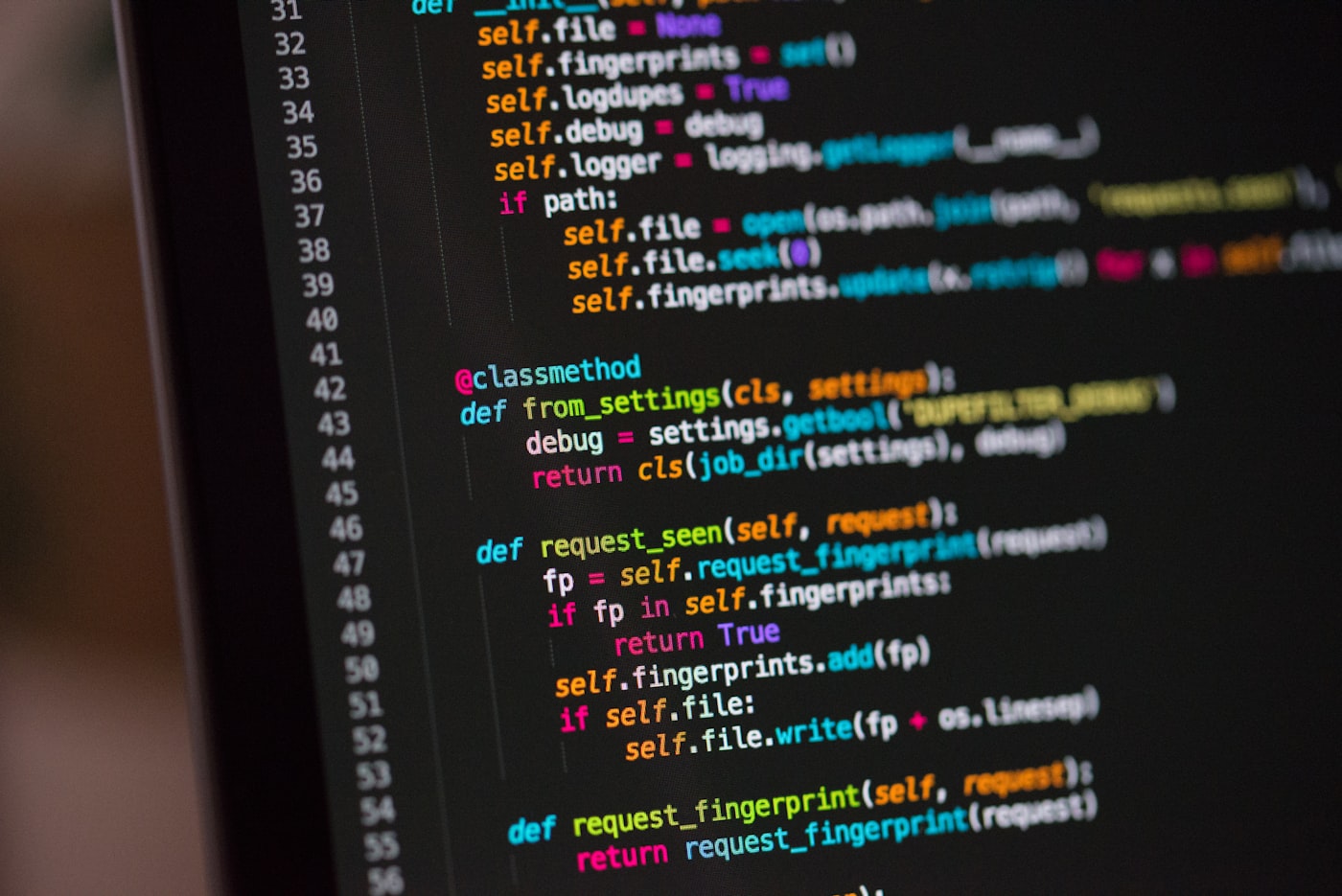
Python for beginners: the only guide you actually need to start
Python is the most in-demand programming language in the world right now — and it also happens to be the easiest one to start with. If you've been putting off learning to code, this is where to begin.
Whether your goal is AI engineering, automation, data analysis, or building web apps — Python is the language that connects all of them. You don't need a computer science degree. You don't need special hardware. You need a laptop, an internet connection, and about an hour a day for a few weeks.
Why Python specifically
There are dozens of programming languages. Python wins for beginners because it reads almost like English, it has the largest ecosystem of libraries for AI and data work, and the community around it means you'll never be stuck without an answer for long.
Python's clean syntax means less time fighting the language and more time actually building things
Setting up — takes 5 minutes
Before writing a single line of code, you need two things installed:
- Python — download from python.org, install with default settings
- VS Code — a free code editor from Microsoft, install the Python extension inside it
That's it. No paid tools, no complicated setup. Open VS Code, create a file called hello.py, and you're ready to write code.
The core concepts — in order
name = "Mohamed"
age = 21
is_student = True
# Print to the screen
print(f"Hello, {name}!")
# Lists — storing multiple values
skills = ["Python", "APIs", "Automation"]
# Loop through a list
for skill in skills:
print(skill)
# Functions — reusable blocks of code
def greet(name):
return f"Welcome, {name}"
The honest learning path
Here's what to focus on in your first four weeks — in this exact order:
- Week 1: Variables, data types, print statements, basic math operations
- Week 2: Lists, dictionaries, loops (for and while), if/else conditions
- Week 3: Functions, importing libraries, reading and writing files
- Week 4: Working with JSON, making API calls with the requests library, handling errors
After those four weeks, you'll have enough Python to build real automations, call AI APIs, and understand the code in most tutorials you find online.
Best free resources
- CS50P — Harvard's free Python course on edX. Excellent structure, zero fluff.
- Python.org tutorial — the official documentation is actually beginner-friendly
- Automate the Boring Stuff with Python — free online book focused on practical projects
- Replit — write and run Python in your browser with no setup at all
Don't just read tutorials — build things. After every concept you learn, immediately apply it to something small. Make a script that renames files. Write one that fetches weather data. Build a simple quiz. The gap between understanding code and being able to write it only closes by writing it.
Key takeaways
- Python is the best first language for anyone going into AI, automation, or data work
- VS Code + Python.org installer is all the setup you need
- Four weeks of focused practice covers the fundamentals that unlock everything else
- Building small projects is what separates people who understand code from people who can write it


Comments
Post a Comment
Let me know what you think in the comments