How to validate a software idea before writing a single line of code

How to validate a software idea before writing a single line of code
The graveyard of software projects is full of things that were technically impressive and completely unwanted. Developers are excellent at building. Most of us are terrible at figuring out what is worth building before we start. Validation is the skill that separates the two outcomes.
Validation means finding evidence that real people have a problem you can solve and would pay for a solution before you invest weeks or months building it. It sounds obvious. Almost nobody does it seriously. Here is a concrete process that works.
Why developers skip this step
Building is comfortable. Talking to potential users is uncomfortable. Writing code feels like progress. Having a conversation where someone tells you your idea is not useful feels like failure. This psychological dynamic causes most developers to build first and validate never, discovering months later that they solved a problem nobody actually had.
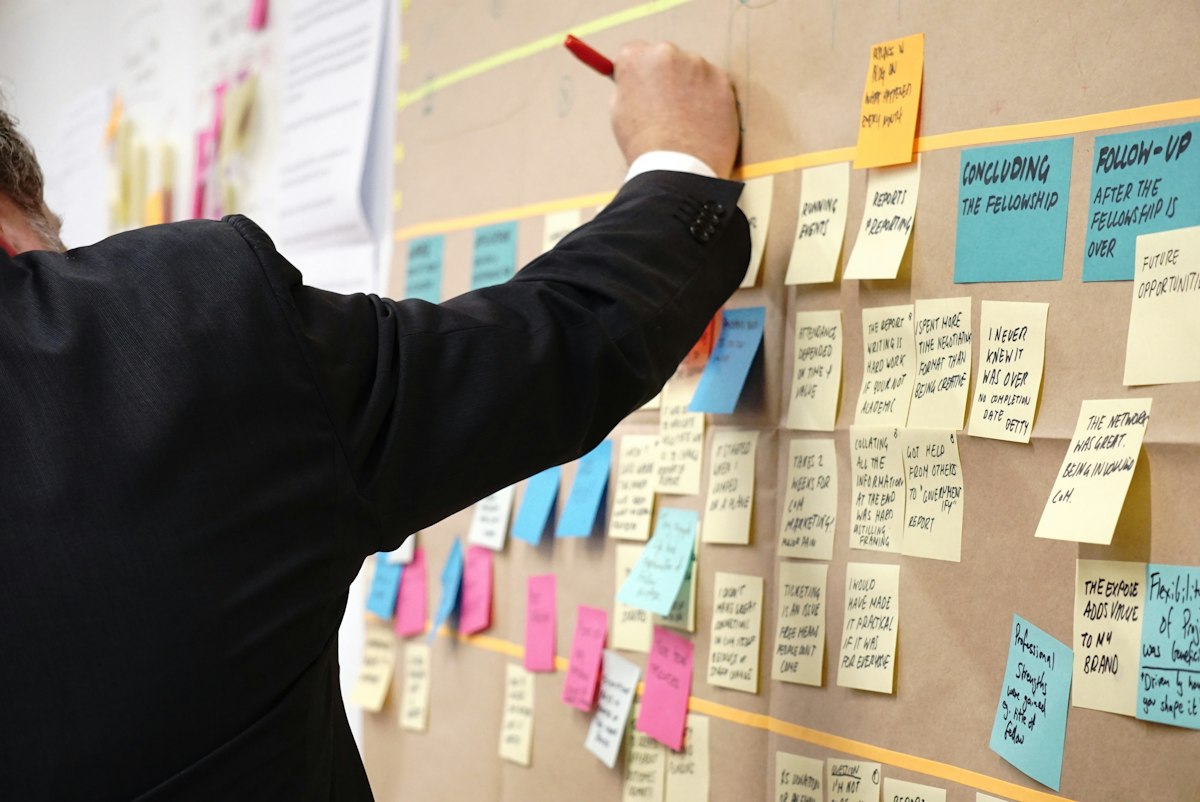
Talking to ten potential users before writing code is worth more than a month of building in isolation
A practical validation process
Not the solution. The problem. Who has it, when do they have it, and what does it cost them in time or money. If you cannot articulate this clearly you do not understand the problem well enough to solve it yet.
Not your friends who will be polite. People who actually fit the profile of someone with this problem. Reddit communities, LinkedIn, Discord servers, Slack groups for specific industries. Find them and reach out.
Talk to them about their current experience. How do they handle this today? How often does it come up? What does it cost them? Do not pitch your idea yet. You are gathering information about whether the problem is real and painful enough to be worth solving.
Not an MVP with all the features you plan to add eventually. A prototype that demonstrates the core value. This could be a Google Sheet with some formulas, a Notion template, a mockup built in Figma, or a simple script. Something that proves the concept works without requiring weeks of engineering.
This is the only real validation. Compliments are not validation. Signups on a waitlist are weak validation. Someone handing over money for something that does not fully exist yet is strong validation. Even a small amount confirms that the problem is real and your proposed solution is credible.
You are not looking for everyone to love the idea. You are looking for a small group of people who have the problem badly enough that they would clearly benefit from a solution and would pay a reasonable price for it. Ten enthusiastic potential customers are worth more than a hundred people who say it sounds interesting.
Key takeaways
- Validation means finding evidence people have a problem and would pay to solve it, before you build
- Talk to potential users about the problem first, not your solution
- Build the simplest possible thing that demonstrates the core value, not a full product
- Someone paying before the product is finished is the strongest validation signal available


Comments
Post a Comment
Let me know what you think in the comments