

The Future of Productivity: An Introduction to Workflow Automation
In today's world, efficiency isn't just a nice-to-have — it's the difference between a business that scales and one that drowns in its own busywork. Workflow automation is how the smart ones stay ahead.
Whether you're managing a digital agency, running an e-commerce store, or just trying to get through your own daily tasks faster — manual workflows will eventually become your biggest bottleneck. This is where automation steps in, and why it's no longer just a developer's concern.
What is workflow automation?
Workflow automation is the process of using software and APIs to connect different digital tools so that data moves between them automatically — without a human touching it. Instead of manually copying data from an email into a spreadsheet, an automated system handles it in milliseconds, every time, without mistakes.
The key word here is reliably. Humans forget steps, mistype values, and get tired. Automated systems don't.
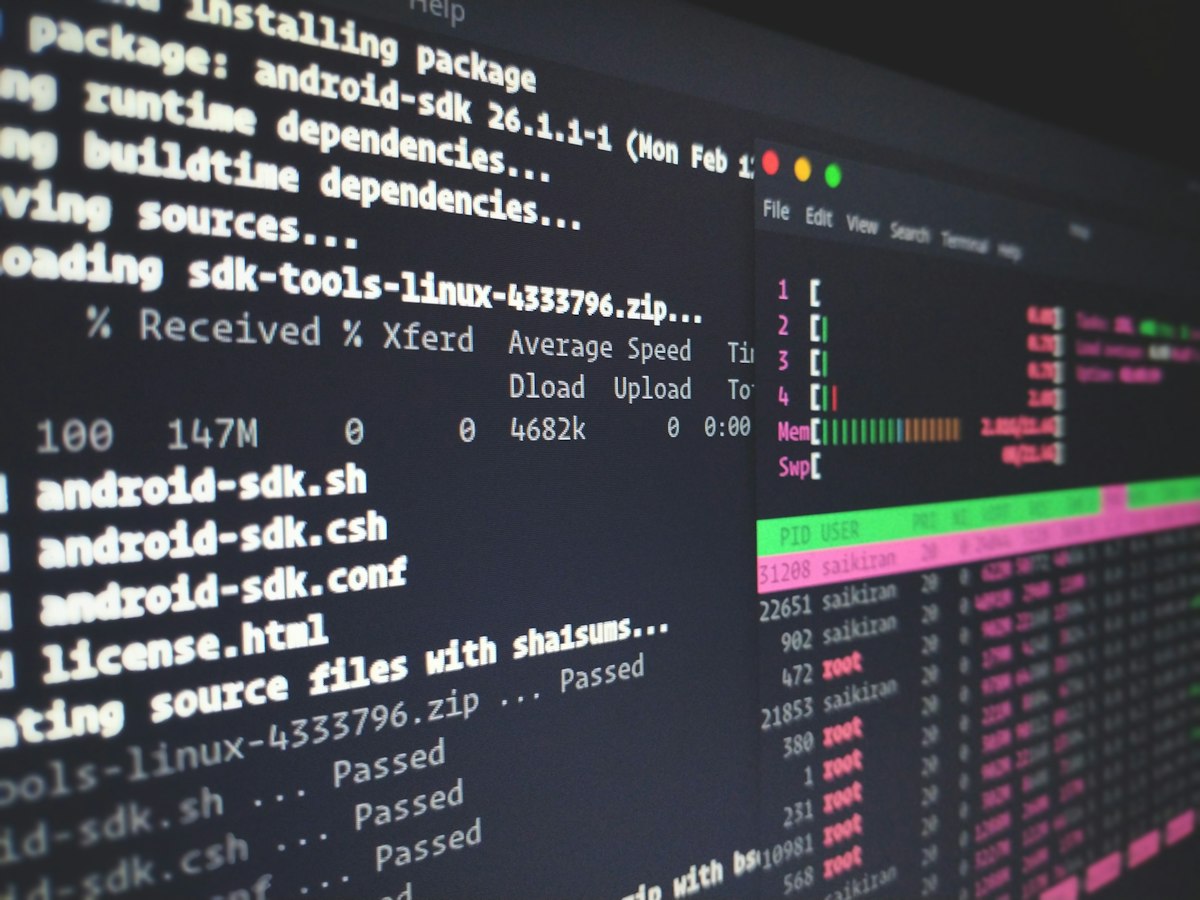
Modern automation connects dozens of tools into a single, smooth-running pipeline
Why open-source tools changed everything
Until recently, serious automation was locked behind expensive enterprise software. Only big companies with IT budgets could afford to build proper pipelines. That's no longer true.
Today, open-source and self-hosted platforms let anyone — including students and solo developers — build sophisticated systems completely free. By understanding how APIs, webhooks, and server environments work together, you can build digital pipelines that run 24/7 with no ongoing cost.
The real benefits
- Time savings — eliminate repetitive data sync tasks that eat hours every week
- Reduced errors — automated transfers remove the human data-entry mistakes that creep in over time
- Scalability — an automated system handles 10 tasks or 10,000 tasks at the same operational cost
- Mental clarity — tasks that no longer live in your head stop taking up mental space
Building your first automated system doesn't require a large budget — just an understanding of how APIs communicate with each other. In upcoming guides on Informatics Hub, we'll break down step-by-step tutorials on connecting platforms, deploying local instances, and building intelligent data pipelines from scratch.
Key takeaways
- Workflow automation connects tools so data moves without human intervention
- Open-source platforms have made this accessible to anyone, not just enterprise teams
- The real value is reliability and scale — not just saving time
- Understanding APIs is the foundation everything else is built on