
How AI is changing space exploration in ways nobody expected
Space exploration has always been defined by what humans could accomplish. But the distances involved, the data volumes generated, and the speeds required for real-time decisions in orbit have all pushed beyond what human operators alone can manage. AI has quietly become one of the most important technologies in modern space programs.
This is not science fiction. The applications are operational right now, in satellites orbiting Earth and rovers on Mars, and the intersection of AI engineering and space technology is one of the most genuinely exciting areas to follow heading into the late 2020s.
The scale problem space creates
A single Earth observation satellite generates terabytes of imagery every day. A constellation of hundreds of satellites generates more data than ground stations can download, process, and analyze by any traditional means. The James Webb Space Telescope produces data that would take human astronomers thousands of years to manually review.
This is where AI stops being a nice-to-have and becomes the only practical solution. Machine learning models that can process, filter, and extract meaningful information from these data volumes autonomously are not optional. They are what makes the science possible at all.
Modern space operations generate more data per day than entire space programs produced in their first decades
Where AI is being used right now
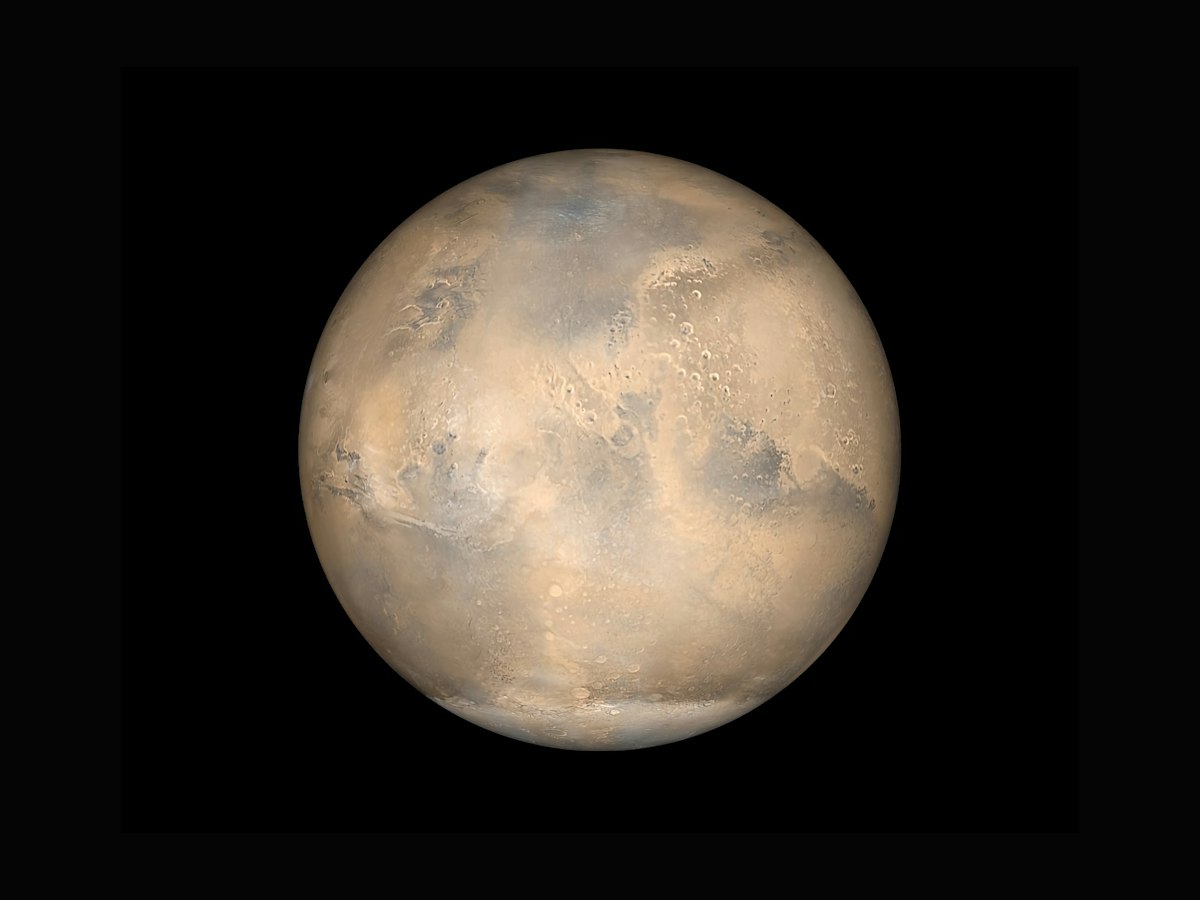
The Mars rovers Curiosity and Perseverance use AI navigation systems to plan safe paths across terrain that no human has ever stood on. The communication delay between Earth and Mars can be up to 24 minutes each way, which makes real-time human control impossible for many decisions. The rover has to reason about its environment and make judgment calls on its own.
Computer vision models analyze satellite imagery to detect deforestation, monitor crop health, track illegal fishing vessels, assess disaster damage, and map changes in urban development. Tasks that would take human analysts years are completed in hours. Companies like Planet Labs and Maxar run these systems at scale commercially.
NASA trained a neural network on data from the Kepler space telescope to identify the subtle dips in starlight that indicate a planet passing in front of its star. The model discovered two exoplanets that had been missed by human analysis of the same dataset. It is now standard practice to run AI analysis on astronomical survey data before human review.
AI systems monitor the health of spacecraft in real time, watching thousands of sensor readings simultaneously to detect anomalies that might indicate a developing problem. Because communication delays make human response too slow for some failure scenarios, these systems need to identify and in some cases respond to issues autonomously.
Reinforcement learning systems are being used to optimize rocket launch trajectories, fuel consumption, and landing sequences. SpaceX uses AI extensively in the guidance systems that allow Falcon 9 boosters to land autonomously on drone ships, a task that involves real-time decisions no human pilot could make fast enough.
The overlap between AI engineering and space technology is one of the most underpopulated and high-value career areas available to developers right now. Organizations like NASA, ESA, SpaceX, Planet Labs, and dozens of smaller space startups are actively hiring engineers who understand both machine learning and the unique constraints of space applications. The combination is rare enough that the demand significantly exceeds the supply of people who have it.
Key takeaways
- Space generates data volumes that make AI analysis not optional but the only practical approach
- Mars rovers use AI navigation because communication delays make real-time human control impossible
- Neural networks have discovered exoplanets missed by human analysis of the same telescope data
- The intersection of AI engineering and space technology is one of the most valuable and underserved career areas in tech