
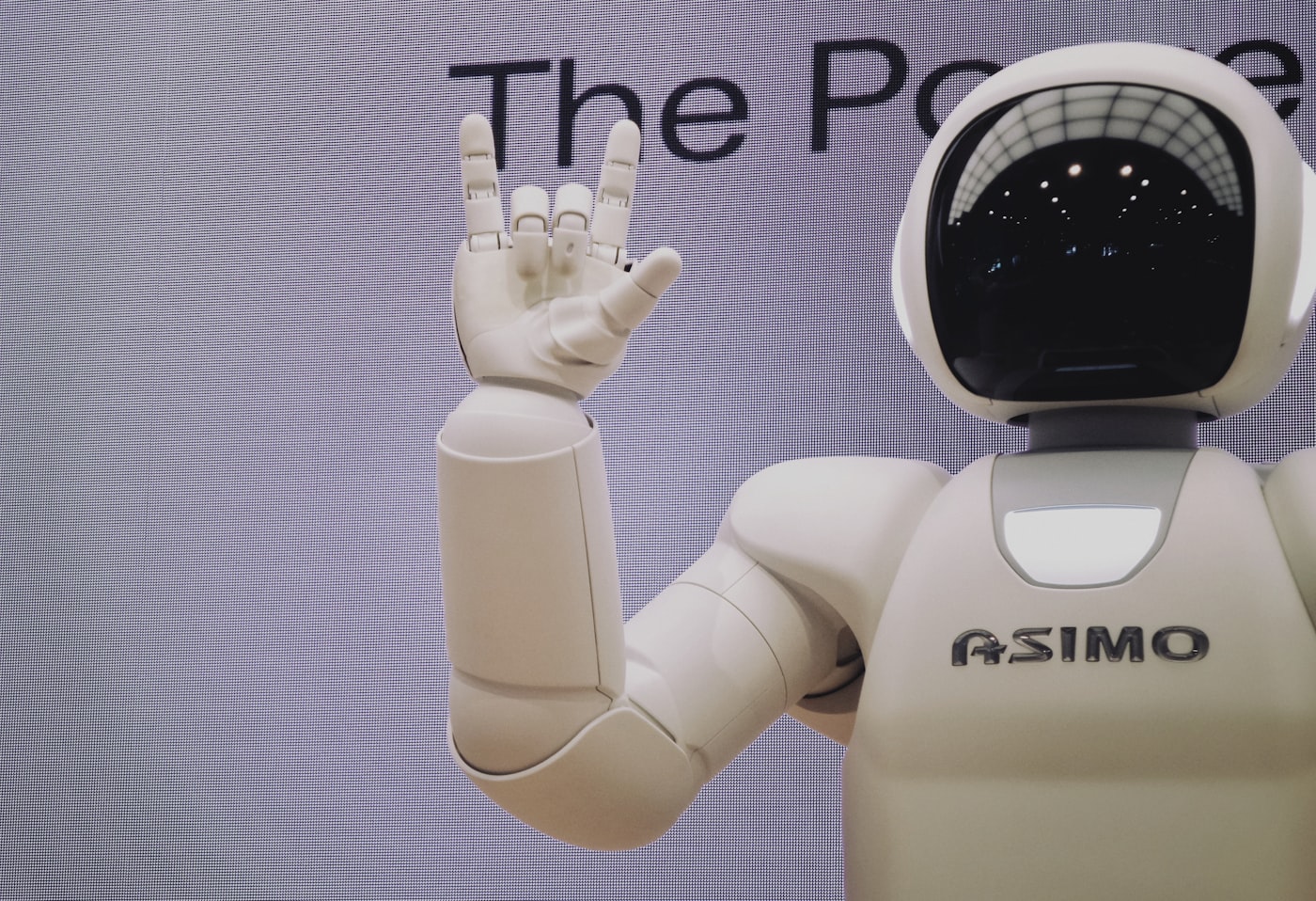
How AI Is Making Robots Smarter: The Convergence Changing Everything
Traditional robots are impressive machines. They are precise, fast, and tireless. But they are also rigid. Program them to pick up a specific part in a specific orientation and they will do it perfectly ten thousand times. Change the part slightly or move it a centimeter off position and they fail completely. AI is changing this fundamental limitation in ways that are making robots genuinely adaptable for the first time.
The convergence of robotics and AI is not just an incremental improvement. It is a qualitative shift in what robots can do, where they can operate, and how quickly new robotic systems can be deployed. This post explains the specific AI techniques driving this shift and what it means in practice.
The Problem With Traditional Robot Programming
Programming a traditional industrial robot involves specifying every movement explicitly. Joint angles, speeds, positions, sequences. Getting this right for a complex task requires enormous amounts of engineering time. The resulting program works perfectly in exactly the conditions it was designed for and nowhere else.
This rigidity is why robotics has historically been limited to highly structured environments like car manufacturing, where every part is placed in precisely the right location and the task never changes. The real world does not cooperate with this requirement.
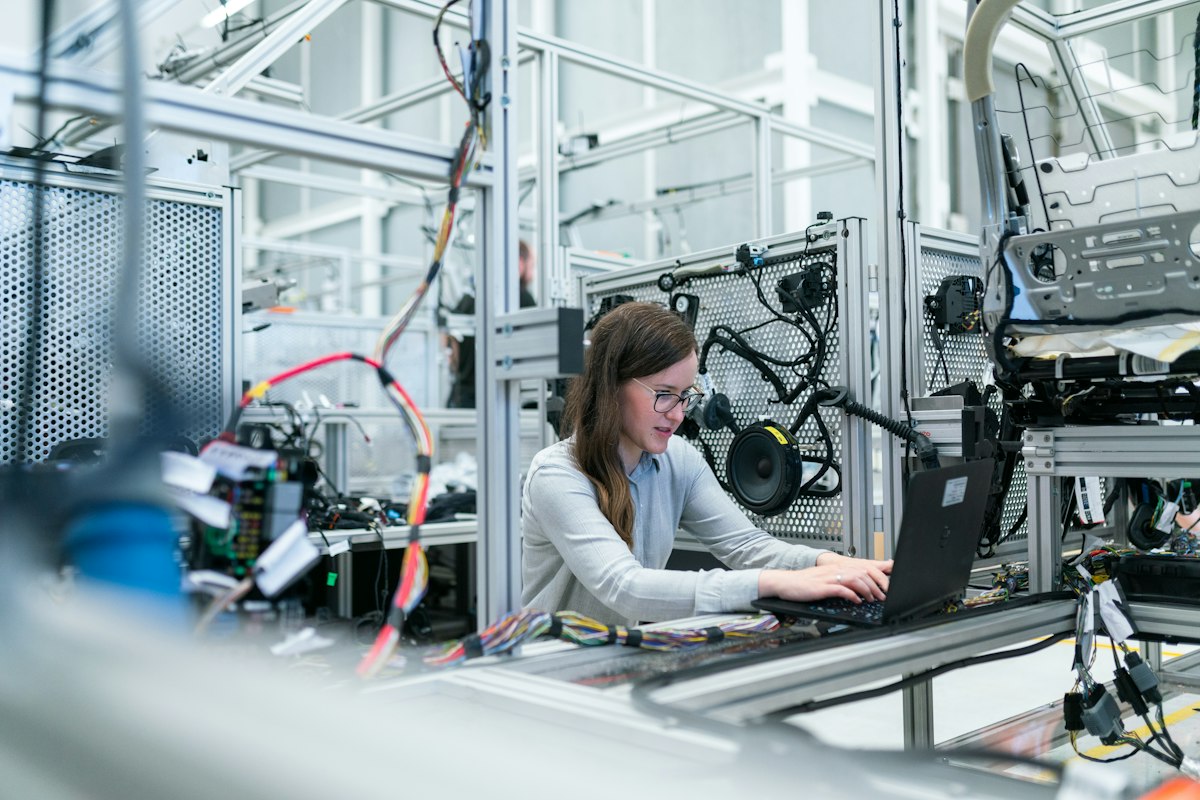
AI-powered robots can learn from demonstration and adapt to variations that would break traditional programmed systems
The AI Approaches Transforming Robotics
Reinforcement Learning for Robot Control
Reinforcement learning allows robots to learn tasks through trial and error rather than explicit programming. The robot tries an action, receives feedback on whether it moved closer to or further from the goal, and adjusts its behavior accordingly. OpenAI's work on robotic hands solving a Rubik's cube using purely simulated training demonstrated that complex dexterous manipulation could be learned without any human demonstrations. The robot discovered solutions humans had not considered.
Learning from Demonstration
Instead of specifying every motion explicitly, engineers demonstrate the task by physically guiding the robot or using motion capture to record human movements. The robot learns a generalizable policy from these demonstrations that it can apply to new situations. This dramatically reduces the engineering time required to deploy a robot on a new task from weeks to hours in some cases.
Foundation Models for Robotics
One of the most significant recent developments is applying large language models to robot control. Systems like Google's RT-2 and similar research demonstrate robots that can accept natural language instructions and execute them in the physical world. Tell the robot to pick up the recycling and put it in the bin and it figures out what that means in the context of whatever environment it is in. This represents a completely different interface for programming robot behavior.
Simulation to Reality Transfer
Training robots in the physical world is slow and expensive. Training them in simulation can happen thousands of times faster than real time on large GPU clusters. The challenge is the sim-to-real gap: behavior learned in simulation often does not transfer cleanly to the physical world due to differences in physics, friction, and sensor noise. Modern domain randomization techniques address this by training across many randomized simulations so the learned policy is robust enough to handle real-world variations.
Where This Is Heading
The combination of better AI training methods, cheaper and more capable hardware, and the availability of large-scale simulation infrastructure is compressing the timeline on capabilities that seemed decades away just a few years ago. Humanoid robots capable of performing a wide range of unstructured physical tasks are being tested in real warehouses and factories.
The economic incentive is significant. Physical labor represents a large portion of global economic output. Any robot system that can replace human workers in unstructured environments unlocks enormous value. The investment flowing into this space reflects that potential.
The software stack for AI-powered robotics looks increasingly like the software stack for AI in general. PyTorch for model training, ROS for robot control, simulation environments like Isaac Sim or MuJoCo for training data generation. Developers with machine learning and systems programming skills are highly sought after in robotics companies precisely because the hard problems are increasingly software problems rather than mechanical ones.
The convergence of AI and robotics is producing systems that can handle the kind of variability that has kept robots out of most of the physical world for the past fifty years. This is not a gradual improvement. It is a step change in capability that is happening fast enough that the applications being deployed today would have been considered research-only projects just a few years ago. Paying attention to this field right now is worth the time for any engineer or developer thinking seriously about where technology is heading.
Key Takeaways
- Traditional robot programming fails when conditions vary even slightly from what was anticipated
- Reinforcement learning and learning from demonstration allow robots to handle variability for the first time
- Language models are enabling natural language interfaces for robot control
- The software stack for AI robotics overlaps significantly with general machine learning, creating real opportunities for software developers