
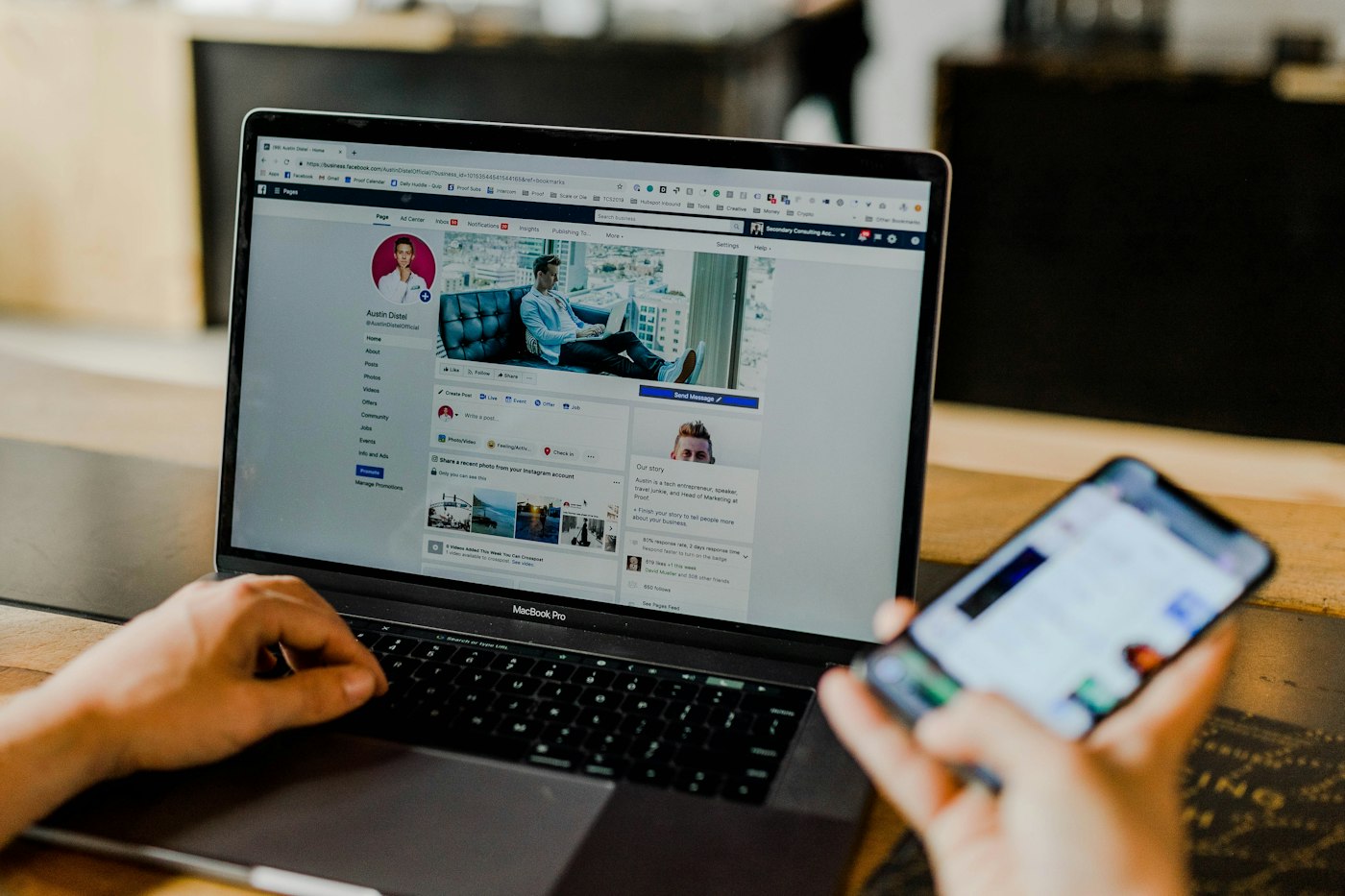
Cybersecurity basics everyone online should understand
Most people think cybersecurity is something only big companies and government agencies need to worry about. That stopped being true a long time ago. In 2026, the average person faces more digital threats in a single day than a company did a decade ago, and most of those threats succeed because of simple, avoidable mistakes.
This post covers the fundamental concepts and practical habits that actually protect you online, explained without the jargon and fear-mongering that most security content defaults to.
The most common threats you actually face
A fake email, message, or website designed to look legitimate so you hand over your credentials or click a malicious link. This is by far the most common attack vector and it works on technical people just as often as non-technical ones because the quality of phishing attempts has gotten remarkably good.
When a service gets breached and millions of passwords leak, attackers try those same passwords across every other service. If you use the same password on multiple accounts, one breach exposes all of them. This happens constantly and most people have no idea their credentials are already circulating in leaked databases.
Most successful attacks exploit vulnerabilities that have already been patched. The patch exists. The update is available. The person just never installed it. Keeping your operating system, browser, and apps updated is one of the highest leverage security habits you can build.
On an unsecured public network, someone on the same network can potentially intercept your traffic. HTTPS protects most of this now, but the risk of connecting to a fake hotspot designed to look like a legitimate one is still real, especially in airports and hotels.
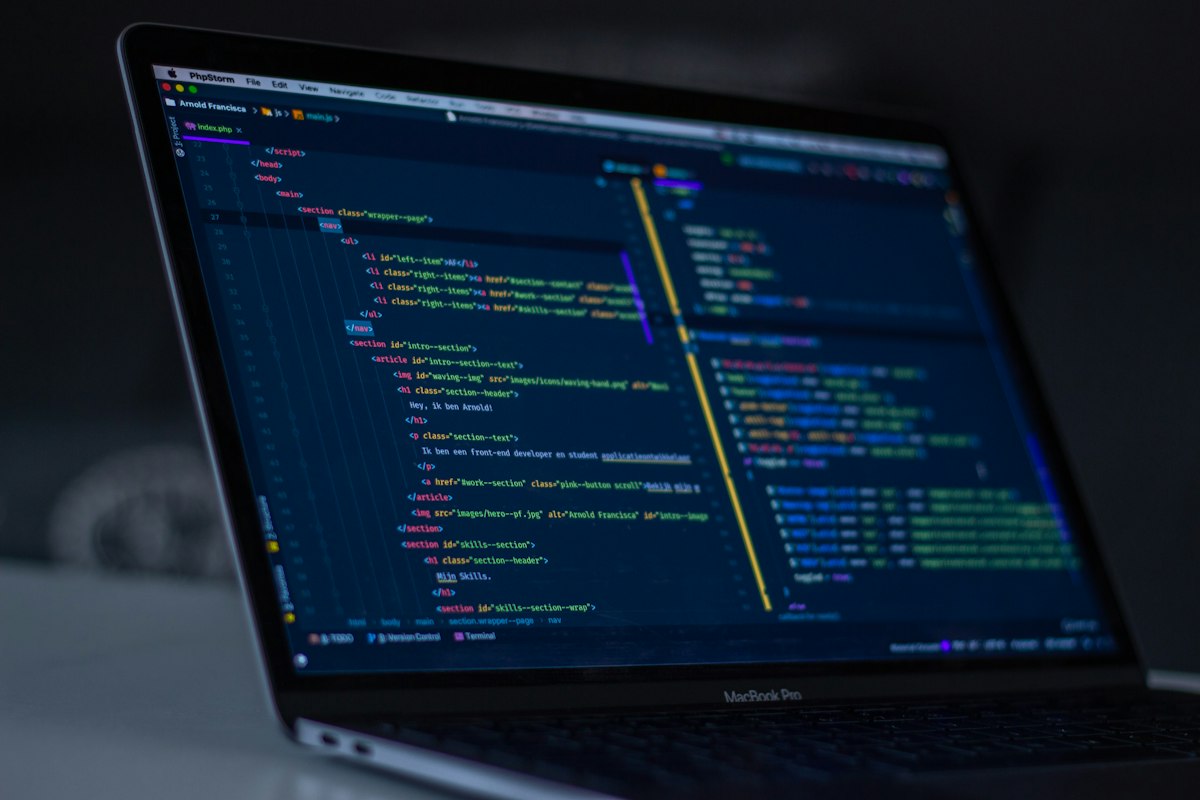
Most successful attacks exploit human behavior rather than technical vulnerabilities
The habits that actually make a difference
- Use a password manager. Bitwarden is free and open source. It generates a unique strong password for every account and you only need to remember one master password. This single habit eliminates the reused password problem entirely.
- Turn on two factor authentication everywhere. Even if someone gets your password, they cannot log in without the second factor. Use an authenticator app like Google Authenticator rather than SMS when possible.
- Keep everything updated. Turn on automatic updates for your operating system, browser, and apps. The inconvenience of a restart is nothing compared to the cost of an exploit.
- Think before you click. Pause before clicking any link in an email or message, especially if it creates urgency. Go directly to the website instead of following the link if you are not certain.
- Use HTTPS sites only. Check for the padlock in your browser before entering any personal or payment information.
Go to haveibeenpwned.com and enter your email address. It will tell you if your credentials have appeared in any known data breaches. If they have, change the password on that account and anywhere you used the same password immediately.
Key takeaways
- Phishing and weak passwords are responsible for the vast majority of successful attacks
- A password manager eliminates the reused password problem with almost no effort
- Two factor authentication makes a stolen password nearly useless on its own
- Keeping software updated closes the vulnerabilities attackers actively exploit