
Augmented Reality Explained: How AR Works and Where It Is Actually Going
Augmented reality has been hyped for years but the gap between what was promised and what actually shipped left many people skeptical. That gap is closing faster than most people realize. Understanding what AR actually is technically, why it is hard to build well, and where the genuinely useful applications are right now gives you a much clearer picture of where this technology is heading.
This post covers the core technology behind AR, the difference between AR and VR, where AR is delivering real value today, and what makes building good AR experiences so technically demanding.
AR vs VR: A Clear Distinction
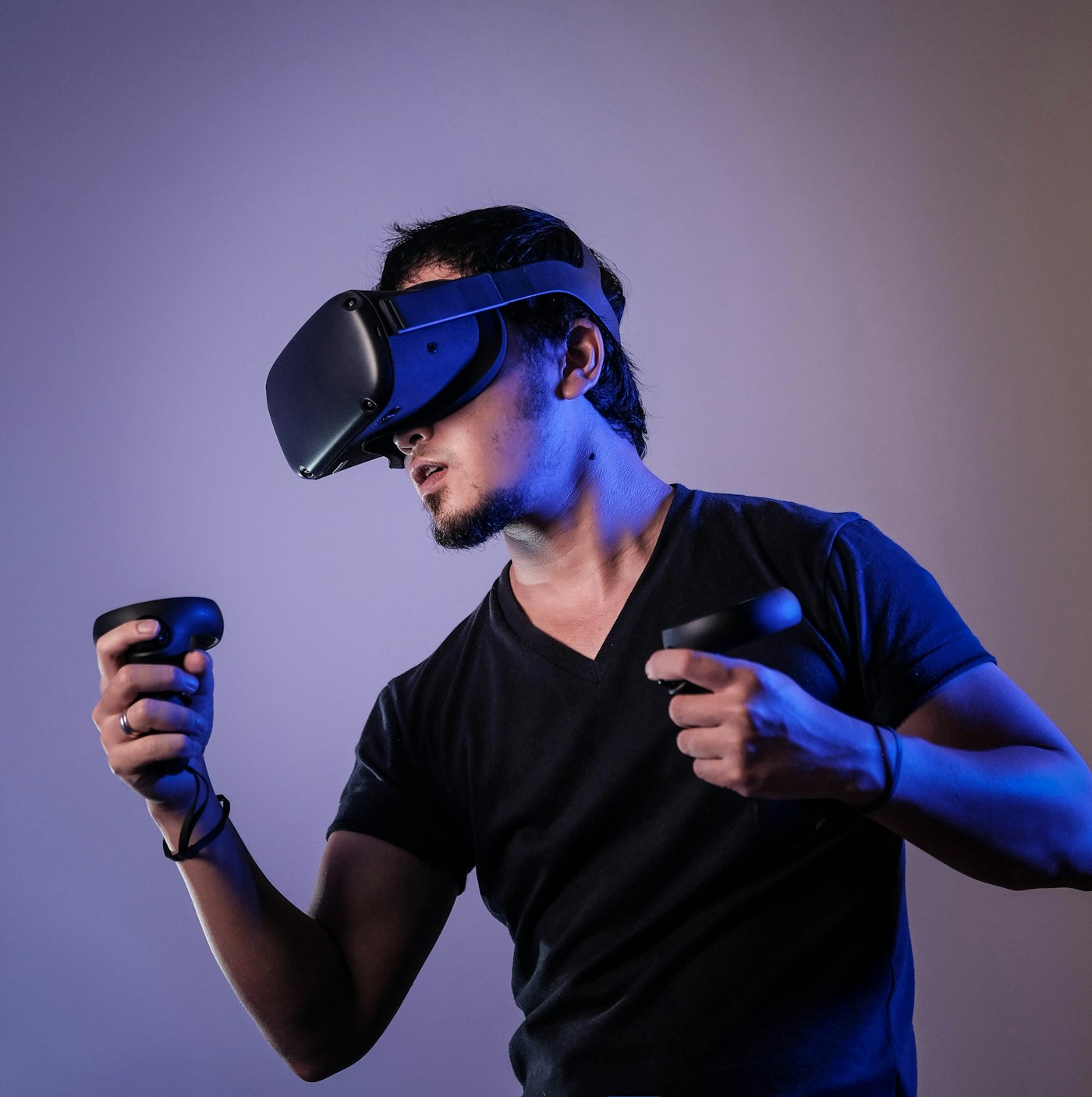
Virtual reality replaces your entire visual field with a computer-generated environment. You are completely immersed in something artificial. Augmented reality overlays digital content on top of the real world. You can still see everything around you but with additional information or objects placed into your field of view.
Mixed reality sits between them, allowing digital objects to interact with the physical environment in a more integrated way. A virtual ball that bounces off a real table rather than passing through it, for example. These distinctions matter because they define completely different use cases and technical requirements.
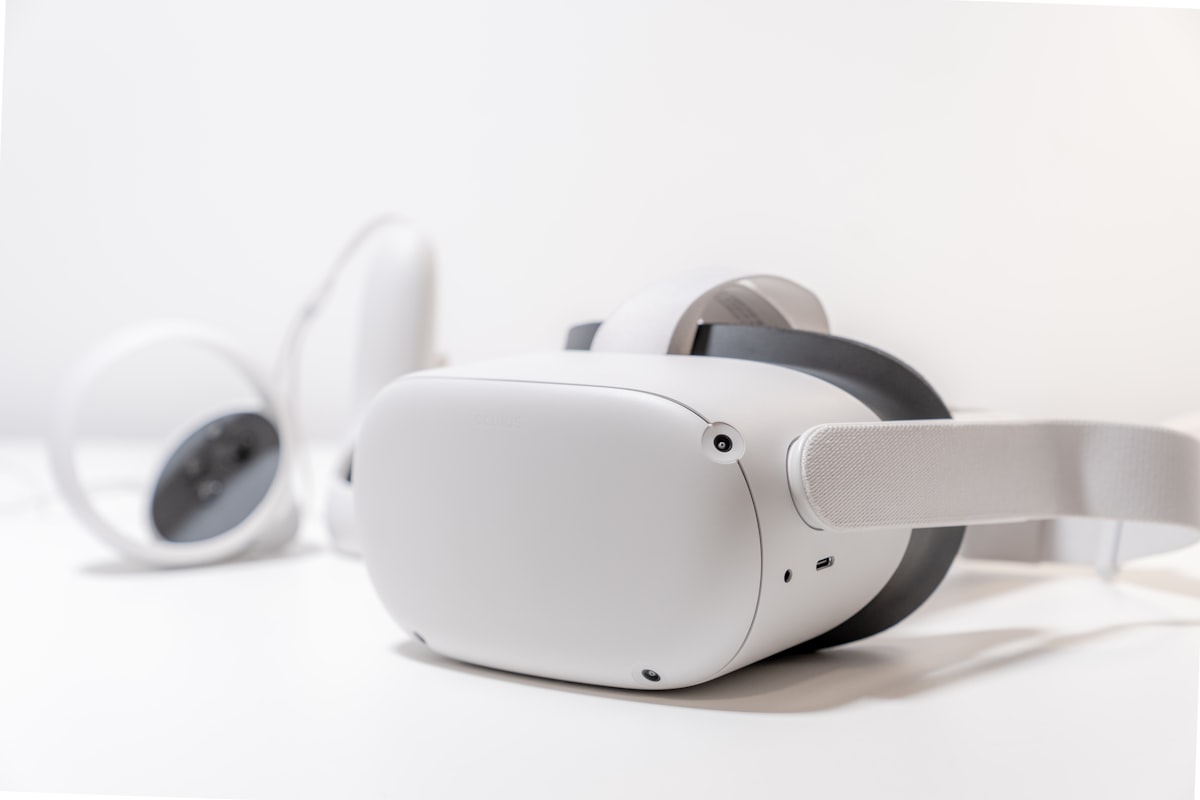
Good AR requires precise spatial understanding of the real world so digital content appears correctly anchored in physical space
The Core Technologies That Make AR Work
Simultaneous Localization and Mapping (SLAM)
For a digital object to appear anchored in the real world, the AR system needs to understand the geometry of the physical environment and track precisely where the camera is within it. SLAM algorithms build a map of the environment and track the device's position within that map simultaneously, in real time. This is computationally intensive and is the core technical challenge that separates good AR from jittery, unreliable overlays.
Object and Surface Detection
AR frameworks use computer vision to detect horizontal and vertical surfaces in the camera feed. Tables, floors, walls, and other flat surfaces become anchors where virtual objects can be placed. More advanced systems can detect and track specific objects, allowing digital overlays to attach to real things like packaging, equipment, or printed markers.
Depth Sensing
For a virtual object to convincingly exist in the real world, it needs to be occluded by real objects that are in front of it. Without depth information, a virtual cube placed behind a real chair would appear to float in front of it. Depth sensors, whether structured light, time-of-flight, or stereo cameras, give the system the information needed to correctly handle these occlusion relationships.
Where AR Is Delivering Real Value Right Now
Industrial Maintenance and Training
Technicians wearing AR headsets receive step-by-step repair instructions overlaid directly on the equipment they are working on. The correct bolt to loosen is highlighted. The component to replace is outlined. Error rates drop significantly and training time for complex procedures shortens. Boeing, Airbus, and major industrial companies have deployed this in production.
Surgery and Medical Imaging
Surgeons can overlay CT scan data onto a patient during an operation, giving them a real-time view of internal anatomy aligned with what they are actually cutting. This spatial awareness reduces errors and allows less invasive approaches to procedures that previously required much larger incisions.
Architecture and Construction
Architects and construction teams can walk through a building site with AR headsets and see the completed design overlaid on the current state of construction. Conflicts between planned systems are visible before they become expensive physical problems. Clients can see how a space will look before a single wall is built.
Retail and E-commerce
Seeing how furniture looks in your room before buying it, trying on glasses virtually, or previewing how a paint color will look on your wall are all AR applications that have demonstrated measurable reductions in product returns for retailers who have deployed them.
ARKit for iOS and ARCore for Android are the dominant frameworks for mobile AR development. Both handle SLAM, surface detection, and lighting estimation automatically, letting you focus on the content rather than the underlying computer vision. For headset development, Meta's SDK and Apple's visionOS frameworks cover the major platforms. Unity and Unreal Engine both have strong AR support and are the most common tools for building AR experiences across platforms.
Augmented reality's most impactful applications are not the consumer entertainment experiences that generated most of the early hype. They are the industrial, medical, and professional applications where overlaying precise digital information on the real world reduces errors, accelerates training, and enables things that simply were not possible before. The hardware is improving rapidly and the software frameworks have matured significantly. The technology is moving from something people demo to something organizations deploy because it makes a measurable difference to real operations.
Key Takeaways
- AR overlays digital content on the real world while VR replaces it entirely with a simulated environment
- SLAM is the core technical challenge, mapping the environment and tracking position simultaneously in real time
- Industrial maintenance, surgery, and construction are delivering the most measurable real-world value from AR today
- ARKit and ARCore handle the hard computer vision problems so developers can focus on building AR content