
Edge Computing Explained: Why Processing Data Closer to the Source Changes Everything
For years the default architecture for processing data was to send everything to the cloud. Devices collected data, shipped it to a central server, the server processed it and sent back instructions. This works well until you need a response in milliseconds, have a device with unreliable connectivity, or are generating so much data that sending all of it to the cloud becomes prohibitively expensive. Edge computing solves all three problems by moving computation closer to where the data is generated.
This post explains what edge computing actually is, why it matters, and where it is being deployed in ways that are changing real industries right now.
Cloud Computing vs Edge Computing: The Core Difference
Data travels to centralized servers for processing. Higher latency. Requires reliable connectivity. Easier to scale and manage centrally. Cost scales with data volume sent.
Processing happens on or near the device generating data. Lower latency. Works with intermittent connectivity. Harder to manage at scale. Reduces bandwidth costs significantly.

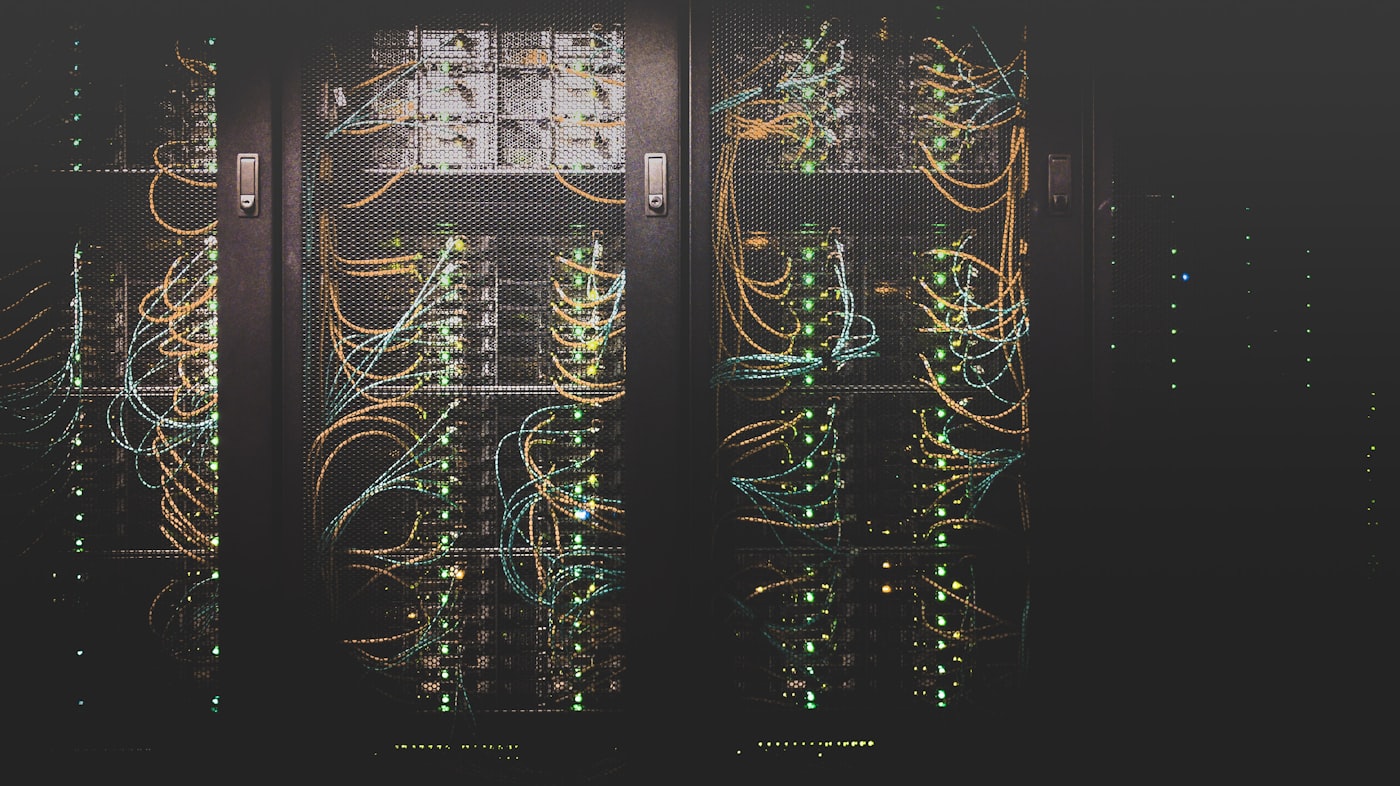
Edge computing distributes processing across many local nodes rather than centralizing everything in a distant data center
Where Edge Computing Is Making a Real Difference
A modern factory floor generates enormous amounts of sensor data from motors, pumps, conveyors, and robotic systems. Sending all of this to the cloud for analysis introduces too much latency for real-time control and generates prohibitive bandwidth costs. Edge devices process this data locally, detecting anomalies in microseconds and triggering shutdowns before equipment failures cause damage. Only summary data and anomaly reports travel to the cloud.
A self-driving car cannot send camera and lidar data to a cloud server and wait for instructions on whether to brake. The entire perception, planning, and control loop must run locally on the vehicle's onboard computers with latency measured in milliseconds. This is the most demanding edge computing application in existence, requiring the same computational capabilities as a small data center packed into a car's trunk.
Computer vision systems that track inventory, monitor checkout queues, and detect shoplifting generate continuous video streams that would be impractical to send to the cloud. Edge servers in the store process video locally, extracting only the relevant events and metadata. This reduces bandwidth requirements by orders of magnitude while enabling real-time responses to store conditions.
Oil rigs, mining operations, ships at sea, and remote research stations all need to process and act on data even when satellite connectivity is limited or unavailable. Edge computing allows these environments to operate autonomously, storing data locally and synchronizing with central systems when connectivity is available.
The Software Challenges of Edge Computing
Managing a distributed fleet of edge devices is significantly more complex than managing centralized cloud infrastructure. Each device needs to run the right software version, receive updates without disrupting operations, report its health, and fail gracefully when something goes wrong.
Container technologies like Docker and orchestration tools adapted from Kubernetes are increasingly being used to manage edge deployments. The same approach that makes cloud deployments reproducible and manageable is being adapted for constrained edge hardware.
The most significant development in edge computing right now is the combination of edge hardware with AI inference. Purpose-built AI accelerator chips from companies like NVIDIA, Google, and various startups allow neural network inference to run at the edge with very low power consumption. This enables applications like real-time object detection on security cameras, voice recognition on smart speakers, and quality inspection on production lines, all without any cloud dependency.
Edge computing is not a replacement for cloud computing. It is a complement to it. The right architecture for most systems involves both, with decisions at the edge for low-latency, high-frequency data and coordination, storage, and analysis in the cloud for everything else. As AI inference hardware continues to improve and become cheaper, the range of problems that can be effectively handled at the edge will continue to expand significantly.
Key Takeaways
- Edge computing moves processing closer to where data is generated to reduce latency and bandwidth costs
- It is essential for applications like autonomous vehicles where cloud round-trip latency is simply too slow
- Container technologies are making edge device management more scalable and reliable
- Edge AI combines local inference with purpose-built hardware to enable real-time intelligence without cloud dependency