
Robotics for Beginners: How Robots Actually Work and Where the Field Is Heading
Robotics sits at the intersection of mechanical engineering, electronics, and software. It is one of the few fields where all three have to work together perfectly for anything to happen at all. Understanding how robots actually function, beyond the science fiction version, is increasingly important for anyone interested in AI, automation, or the future of physical systems.
This post breaks down how robots work from the ground up, what the major application areas are right now, and where the most interesting developments in robotics are happening.
What a Robot Actually Is
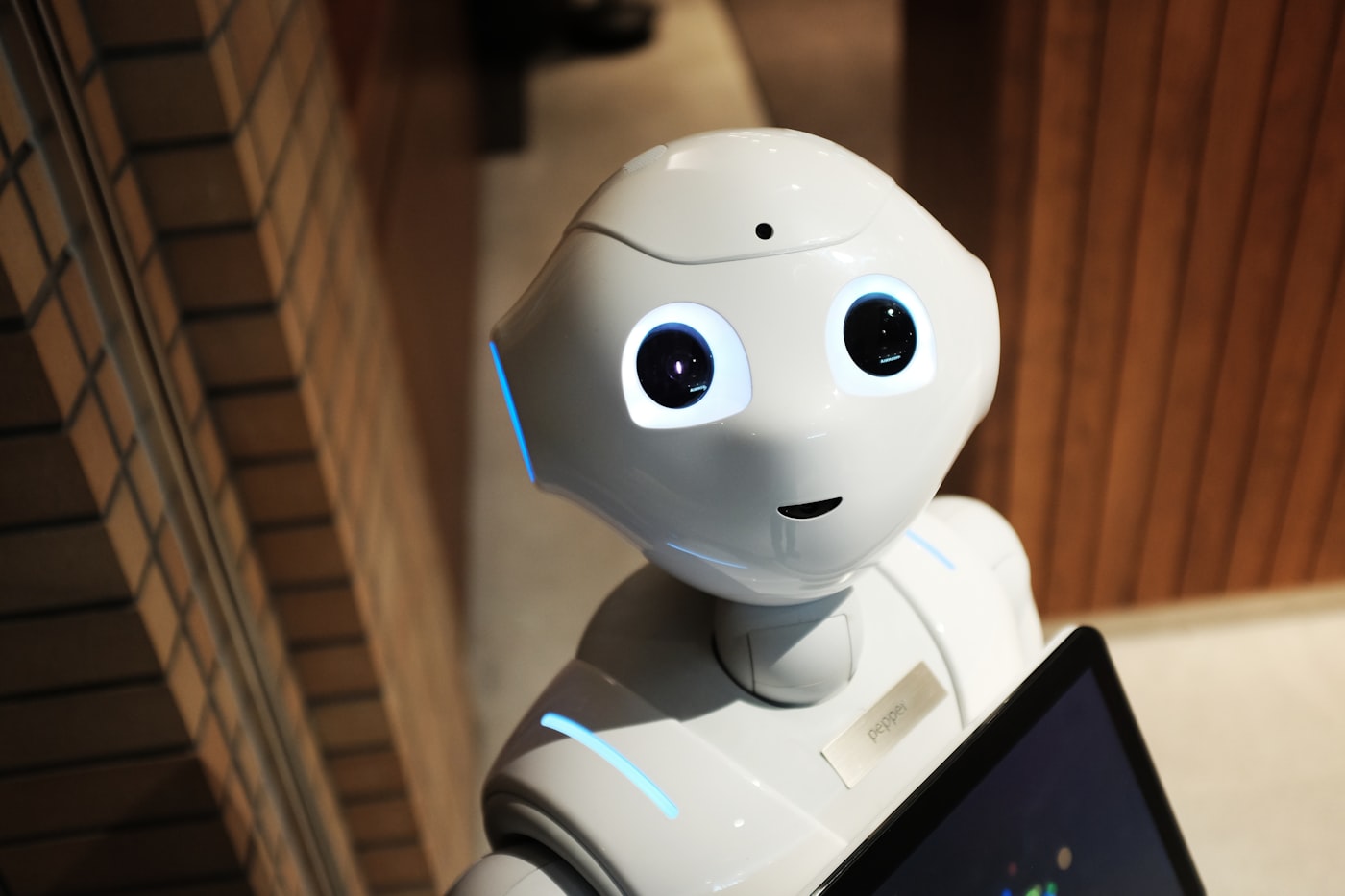
The word robot gets applied to everything from a Roomba vacuuming a floor to a humanoid walking down a street. What they all share is the same basic structure: sensors that perceive the environment, a processor that makes decisions, and actuators that take physical action.
A robot that cannot sense its environment is just a machine following a fixed script. A robot that can sense, process, and respond is what makes the field interesting. Adding machine learning to that loop is what is currently transforming robotics from programmed machines into adaptive systems.
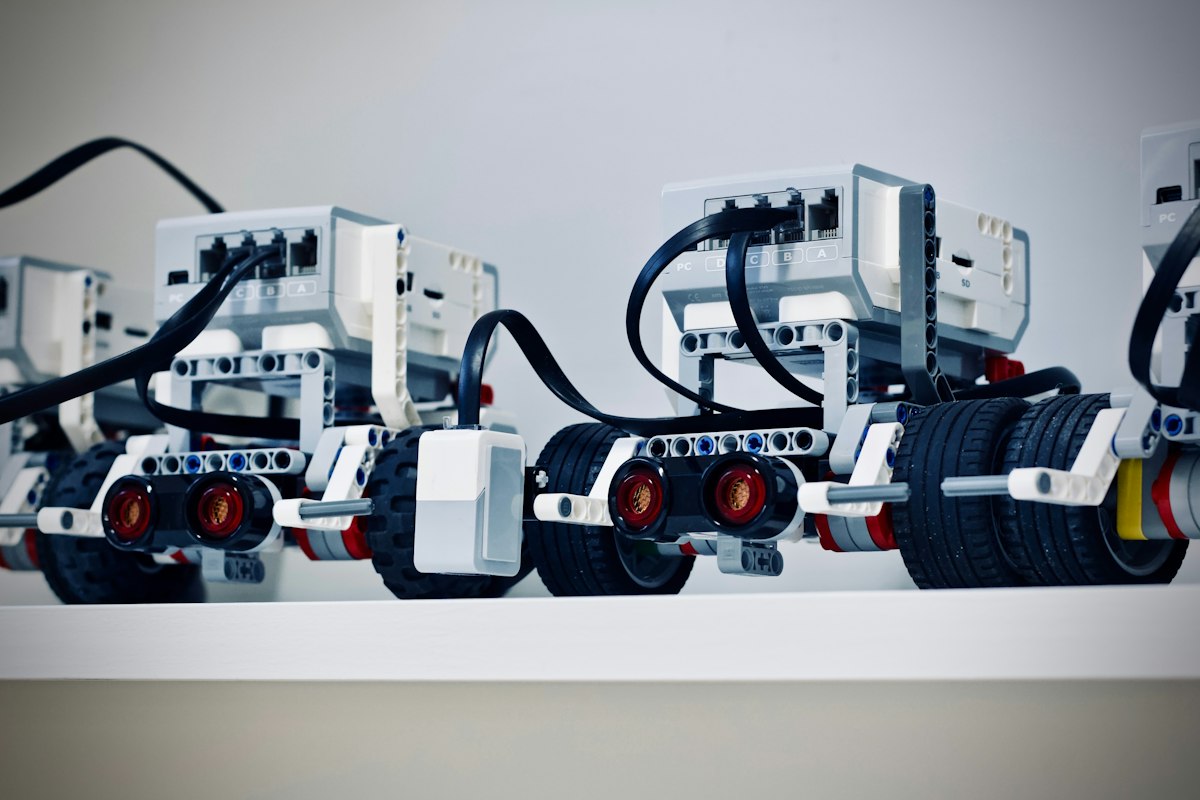
Industrial robots have been performing precise, repetitive tasks in controlled environments for decades
The Core Components of Every Robot
Where Robots Are Actually Being Used Right Now
Manufacturing and Logistics
Industrial robot arms have been used in car manufacturing for decades. What is newer is the application of mobile robots in warehouses. Amazon's fulfillment centers run thousands of autonomous robots that move shelving units to human pickers rather than having humans walk miles of aisles. The efficiency gains are significant and the technology is proven.
Healthcare and Surgery
Surgical robots like the Da Vinci system allow surgeons to perform minimally invasive procedures with precision that human hands alone cannot achieve. The robot does not operate autonomously. The surgeon controls it, but the robot's mechanics translate small hand movements into tiny, tremor-free instrument movements inside the patient's body.
Agriculture
Autonomous tractors, drone crop monitoring, and robotic fruit picking are all moving from experimental to commercial deployment. The economic pressure to reduce labor costs in agriculture combined with advances in computer vision has made this one of the fastest moving application areas in robotics.
Exploration
Robotic systems go where humans cannot. The Mars rovers are the most famous example, but underwater exploration robots, disaster response robots, and inspection robots for infrastructure like pipelines and nuclear facilities all operate in environments where human presence is impossible or extremely dangerous.
How AI Is Changing Robotics
Traditional industrial robots are programmed with precise instructions. Move here. Grip this. Release there. They work brilliantly in controlled environments where everything is predictable. They fail the moment something unexpected happens.
AI changes this by allowing robots to learn from experience rather than following fixed scripts. A robot trained with reinforcement learning can figure out how to grasp objects of different shapes and weights without being explicitly programmed for each one. This is why the convergence of AI and robotics is such a significant moment in the field.
ROS (Robot Operating System) is the standard software framework for robotics development. It is open source, runs on Linux, and has a massive community. Building a simple robot project with a Raspberry Pi or Arduino is the most hands-on way to understand the sensor-decision-action loop in practice. The investment is low and the learning is high. Even a line-following robot teaches you more about control systems than any amount of reading about them.
Robotics is no longer a niche academic field. It is a rapidly commercializing industry where software engineers, AI researchers, and mechanical engineers are working together on problems that directly affect manufacturing, healthcare, logistics, and exploration. For developers with an interest in physical systems, the overlap between software skills and robotics has never been more accessible or more valuable.
Key Takeaways
- Every robot does the same three things in a loop: perceive, decide, and act
- The six core components are sensors, controller, actuators, power system, end effectors, and communication
- AI is transforming robots from fixed-program machines into adaptive systems that learn from experience
- ROS and a Raspberry Pi project are the most practical starting points for developers interested in robotics